
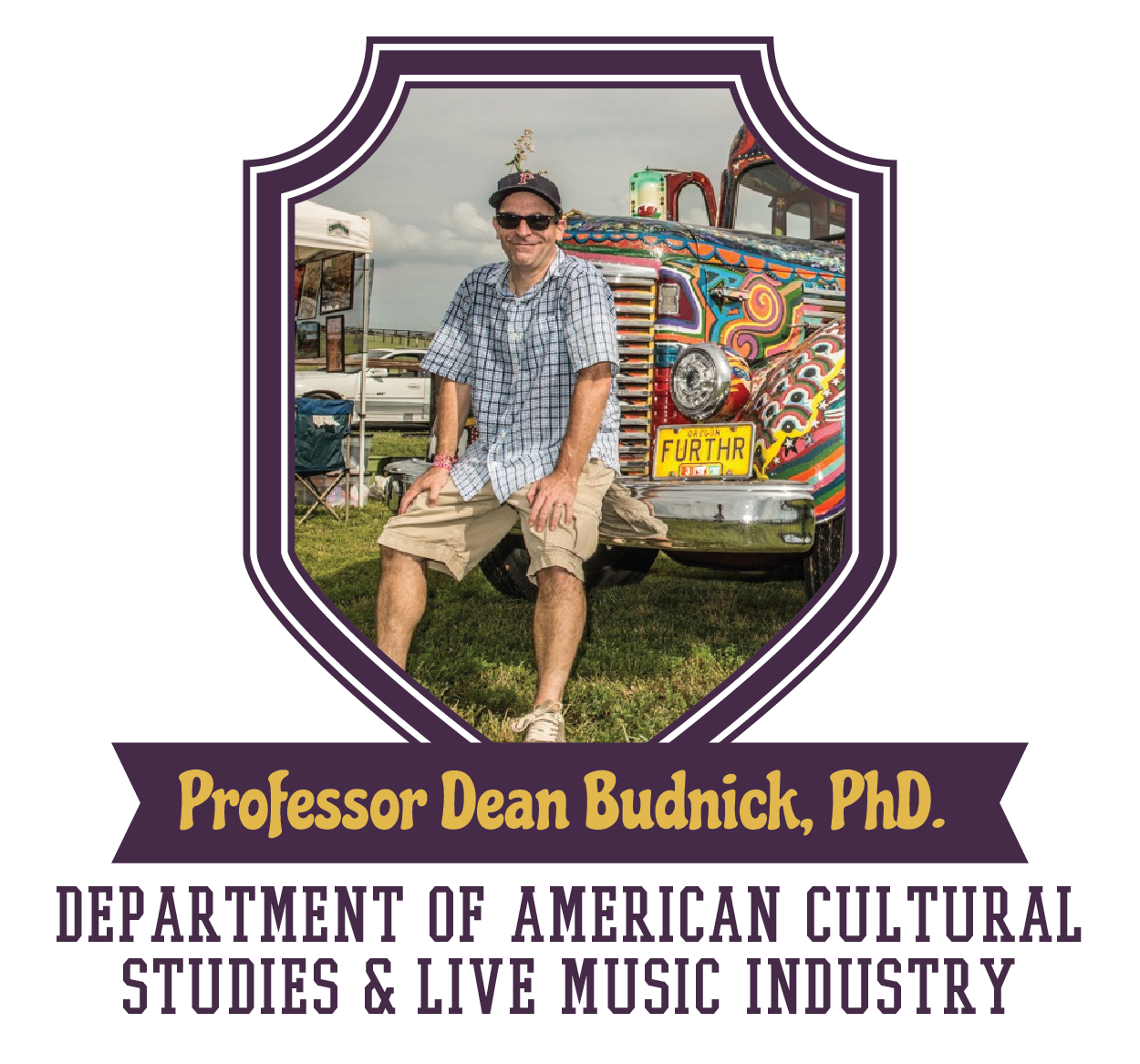
Professor Budnick is the editor-in-chief of Relix and founder of Jambands.com. He is co-author of concert promoter Peter Shapiro’s The Music Never Stops, and his six other books include Ticket Masters: The Rise of the Concert Industry and How the Public Got Scalped, as well as John Popper’s memoir Suck and Blow. Budnick has reported on live entertainment for Billboard, Variety and The Hollywood Reporter. He directed the documentary Wetlands Preserved: The Story of an Activist Rock Club, which screened at SXSW and later aired on the Sundance Channel. He has contributed liner notes to releases by the Grateful Dead, Jerry Garcia Band, moe., Spin Doctors and others. Dean holds a Ph.D. from Harvard’s History of American Civilization program.
A Bunch of Wooly Freaks
An exploration of the origins of computerized ticketing and the rise of corporate ticketing giants. This course examines how the Grateful Dead, and later bands like String Cheese Incident, challenged and reshaped the ticketing industry.
The Wavering Sounds of Self-Promotion: From Bill Graham to Live Nation
A historical analysis of concert promotion, tracing its evolution from independent pioneers of the 1960s to modern corporate entities. Special attention is given to the tension between independence and consolidation in today’s live music landscape.
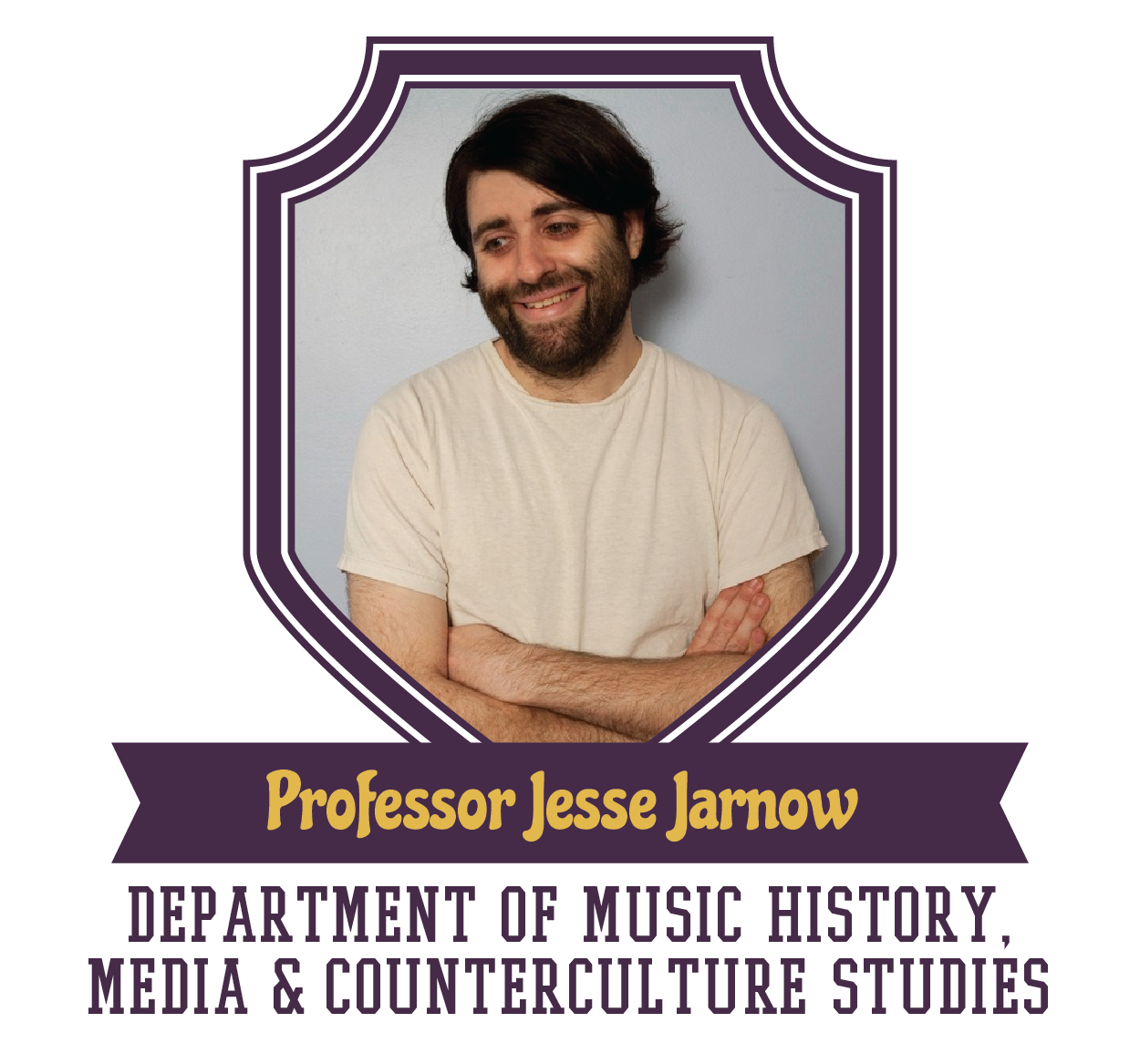
Professor Jarnow is the co-host of the Good Ol’ Grateful Deadcast and the author of Heads: A Biography of Psychedelic America (Da Capo, 2016), Wasn’t That a Time: The Weavers, the Blacklist, and the Battle For the Soul of America (Da Capo, 2018), and Big Day Coming: Yo La Tengo and the Rise of Indie Rock (Gotham, 2012). The Invisible Hit Parade: A Taper’s History of Music is forthcoming from Da Capo in 2027. Since 2008, he has hosted the Frow Show on Jersey City freeform radio station WFMU.
The Grateful Dead and the history of psychedelics in the 20th century.
Delving into the historical circumstances that, after millennia of psychedelic use around the world, led the Grateful Dead’s scene to become the recognized nexus for psychedelic distribution from the late ’60s through the ’90s (with a third eye towards how that’s continued to evolve since the end of the Grateful Dead proper in 1995).
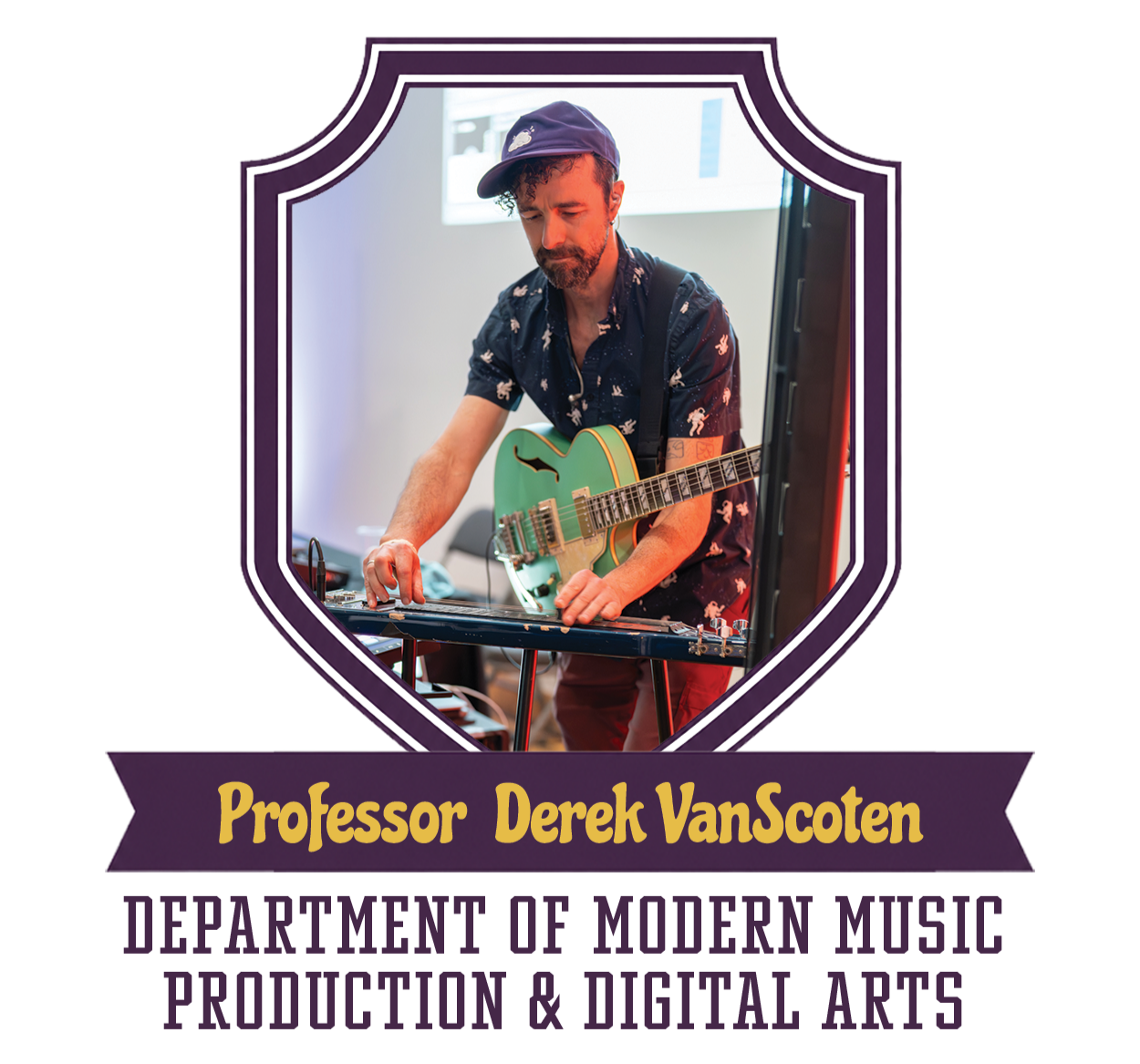
After making his initial splash as a psychedelic lofi beat maker, Cloudchord (aka DerekVanScoten) had steadily expanded his sonic palette to include disco, funk, ambient, neo soul, and even surf 60’s rock. As an adept guitarist, Cloudchord has gained widespread attention for his live looping skills on social media and in concert. In 2018 he released the Koi Pond LP with Soul Food Horns, which has amassed over 30 million Streams. In 2025 he launched Deadtronica with keyboardist Aron Magner of the Disco Biscuits. The duo reimagines the Grateful Dead through an electronic dance music lens.
Other fruitful collaborations have included Prob Cause, East Forest, Big Gigantic, Emancipator, Balkan Bump, and Adam Deitch of Lettuce. Early in his career, he scored the documentary In Football We Trust, which won an Emmy in 2017.
Other production clients have included Gatorade, Disney, Facebook, F1, and the NFL.
Cloudchord is an Ableton Certified Trainer and presents at music production events around the country, including his annual retreat at Chapel of Sacred Mirrors. You can find over 250 original Cloudchord songs on your favorite streaming platform.
For more info visit www.cloudchord.net
This workshop explores how modern production techniques can reinterpret the Grateful Dead’s catalog for new audiences.
Students will learn:
Sampling and recording techniques
Beat production and arrangement
Reharmonization and musical adaptation
Creative approaches to honoring musical legacy while innovating
Through both technical training and creative exploration, students will develop their own modern interpretations rooted in the ethos of the Dead.
The Magic of Grateful Dead Chord Progressions: Why their songs feel like a journey, and how you can play them.
The Grateful Dead didn’t write chord progressions the way most bands did. Jerry Garcia and Bob Weir drew from folk, blues, modal jazz, and country to build sequences that feel like they’re always moving somewhere unexpected, yet always land exactly right.
Let’s crack open the harmonic logic behind some of their most beloved songs and walk away with new ideas under your fingers. No music theory degree required. If you know a handful of open chords and love the Dead, you’re ready.
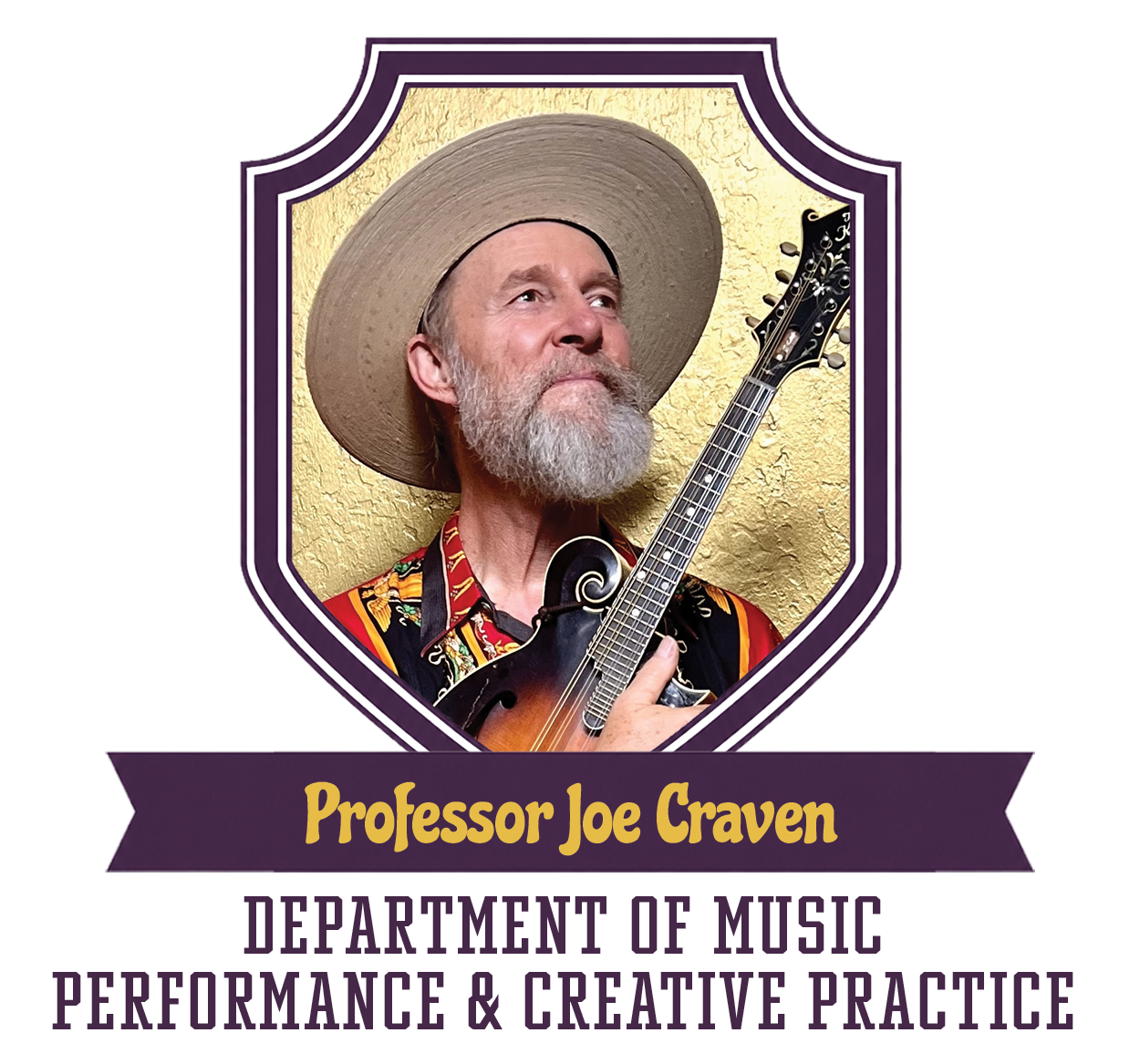
Department of Music Performance & Creative Practice
Professor Joe Craven is a sound farmer, creativity educator, music producer, multi-instrumentalist, former museologist and fashion insultant. For over 40 years, he has made a living preserving and playing forward the folk tradition by reimagining it as new music. Joe has recorded and played with Jerry Garcia, David Lindley, David Grisman, Vassar Clements, Rob Ickes, Alison Brown and many other innovative artists. He’s made and produced many recordings, including the critically acclaimed recordings “Camptown”, ”Django Latino” and
“Garcia Songbook”. He has created music and sound effects for commercials, soundtracks and computer games.
As an educator, Joe is featured in the PBS television series, Music Gone Public and he is the Director of RiverTunes’ “bundle of camps”, including, JAMboree, Vocáli Voice Camp, and WinterTunes Online Camp. He’s a recipient of the Folk Alliance Far-West Performer of the Year Award and the Swannanoa Gathering’s Master Music Maker Award. Joe has also been a Master of Ceremonies at music festivals, including Delfest, Telluride Bluegrass, Grand
Targhee Bluegrass, High Sierra, Live Oak, Wintergrass, Rockygrass, Millpond and Hangtown Music Festivals. Joe has presented at over 500 schools, colleges and universities. He teaches privately online and makes house calls offering community/group based workshops.
He is also a weekend poet and eulogist.
He sleeps occasionally.
“Songetry”; Poems to Song Starts in Songwriting.
Join us for an E-ticket ride upon the pursuit of possibility. You’ll be asked to write a poem to share, jumpstarting a song in 5 minutes! The goal is learning how to write in timed creative movement and spontaneity – while your inner critic is tucked away in the trunk! You won’t be able to prepare for what we’ll be creating, so just get ready to have fun and be surprised
with what you and your classmates’ ideas create under pressure. Joe will give you a recipe on how to cradle these poetic puppies into a variety of musical landscapes to explore and connect the intention of word to music. Joe’s “Songetry” connects a creative exercise most of us have already done in grade school (which is writing a poem). As many of us know, poems, whether rhyming or not, can tell a story in an accessible form of metered rhythm. As we know, we all possess the ability to write such stories and that is the grist for the mill of songwriting. This can bring surprising and often magical kickstarts to new compositions. Have a notebook and pen or, if you’re proficient at typing, your keyboard will do.
Intuitive Improvisation with Joe Craven
How do we make satisfying music informally with a) what we say b) how we say it, and c) in the
moment with the grace of an egret in flight? It’s a joy to jam confidently with folks we’ve never met, and say something different every time we take a solo. I will introduce a framework for what I call “intuitive improvisation” in music. It’s based on what we already do. There is no formal music theory accompanying advanced technical skills. I’ll connect this class to what we already do as people, moving and communicating through a typical day. I’ll help you to connect movement and sound to working with what you already know, (which is more than you think).
These sessions will take a three pronged look at:
1) Movement; rhythm as a priority over note choices.
2) Incremental learning; how to practice music anytime/anywhere without an instrument in your hands.
3) Soloing; how to have what you say mirror the way you improvise speech.
We’ll spend time learning to feel more comfy with spontaneity in both rhythm and melody. An important goal is to stay in the music and keep playing – even if you don’t have familiarity with the music being played. We will learn the value of absorbing, retaining and expressing music both in singing and through your other instruments. The key is less attention to
WHAT you’re saying – and more about HOW and WHEN you’re saying it!
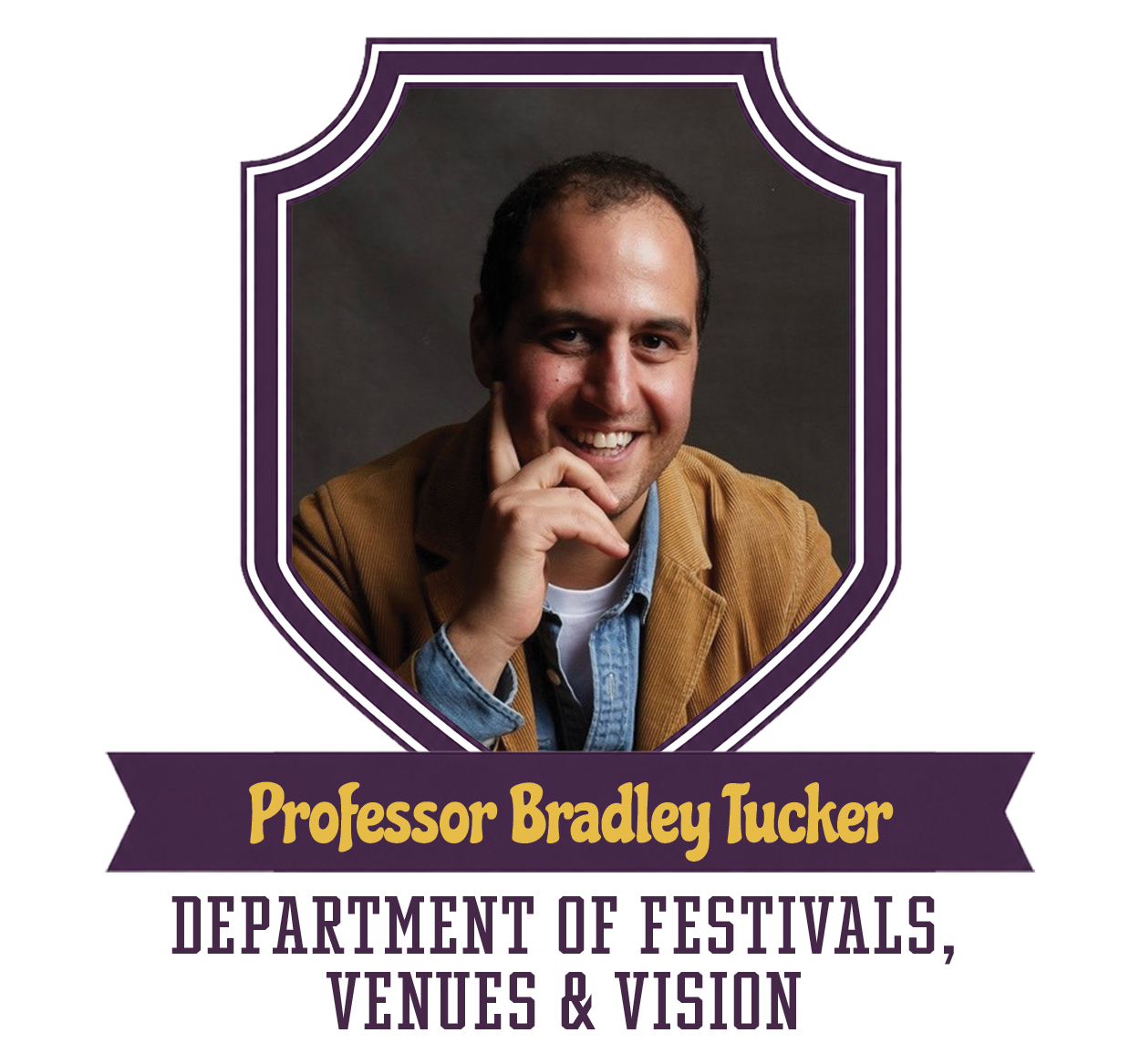
Department of Festivals, Venues & Vision
Professor Bradley Tucker is Vice President of Business Development at Dayglo Presents, where he has built a reputation as a trusted executive who brings strategic vision and hands-on leadership to everything he does. From founding industry conferences to overseeing acclaimed venues to leading festivals that unite music and social purpose.
Tucker works across Dayglo’s venues, festivals, live events, and media. He plays a central role in Bearsville Theater in Woodstock, NY, named to Billboard’s 2026 Top 500 Capacity and Under Venues list, and serves as Festival Director of the Hudson River Music Festival, honoring the legacy of Pete Seeger. He launched the Relix Music Conference, expanding it to New York and Nashville, and serves as co-head of Relix’s record label. Pollstar has cited the conference as having the highest ROI of any conference for music professionals. His event credits include the Soulshine Benefit at Madison Square Garden ft. Dave Matthews Band, which raised $4.5 million in relief funds following Hurricanes Helene and Milton; Fare Thee Well: Celebrating 50 Years of Grateful Dead in Santa Clara and Chicago; and the Heart of Town performances during the Grateful Dead’s 60th anniversary in San Francisco. Tucker also established a premium Thanksgiving Day Parade viewing experience at the Appel Room at Jazz at Lincoln Center.
What Does It Take To Put On The Show.
This panel discussion offers an inside look at the planning, coordination, and execution required to create successful live music events. Drawing from real- world experience in festival and concert production, Professors Bradley Tucker, Stefanie May, Dean Budnick, and Benjy Eisen explore the elements that transform an idea into a fully realized audience experience. Students will examine topics including event planning, artist relations, production management, marketing, logistics, audience engagement, sponsorships, and on-site
operations. Through discussion, participants will gain a deeper understanding of the collaborative efforts behind modern live entertainment.
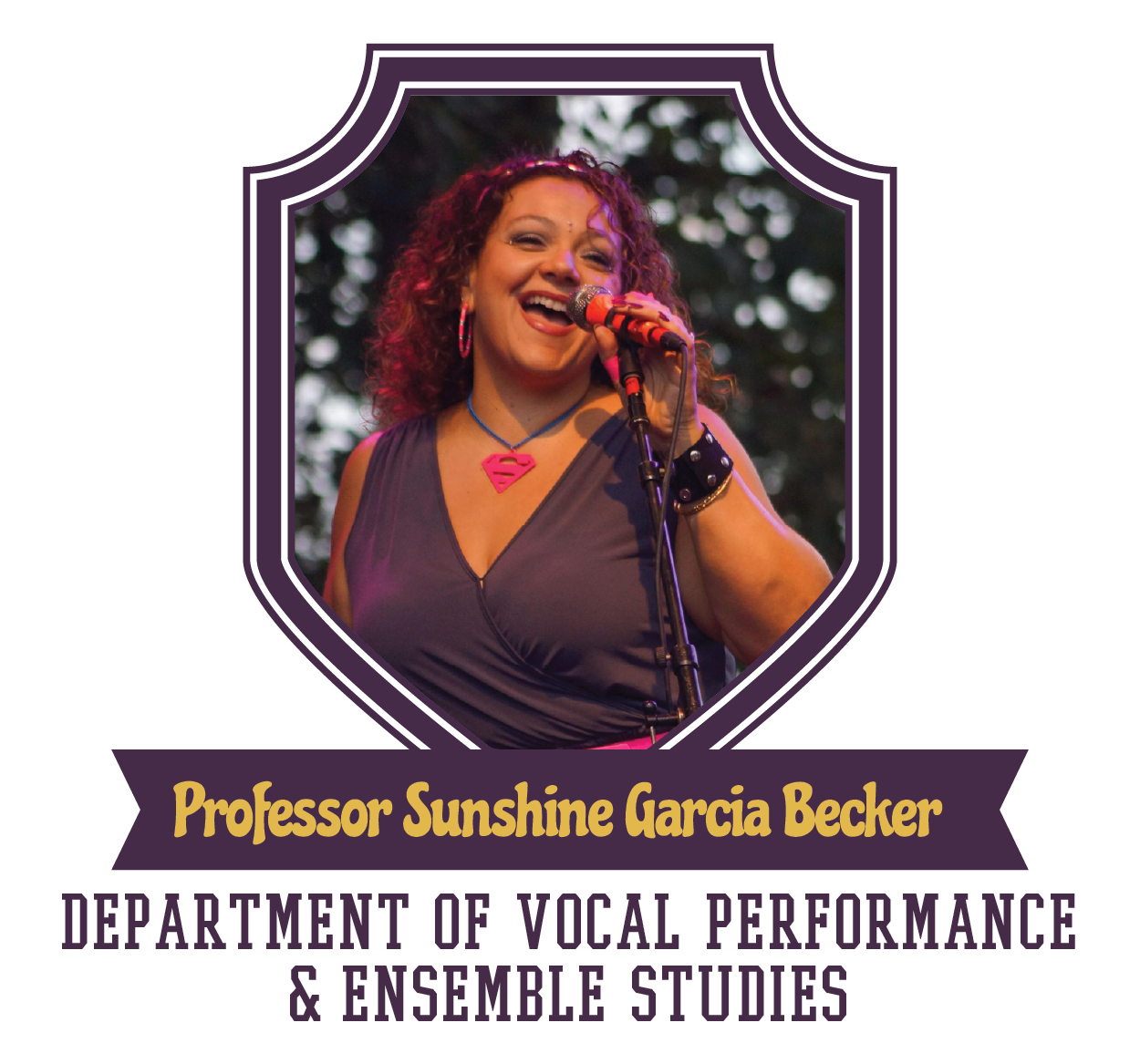
Professor Sunshine (Garcia) Becker is a vocal performer & recording artist from Oakland, CA. She was raised in a very musical family. Her many years of touring with the vocal band SoVoSó is where she crafted her love for harmonies and vocal improvisation. She then joined Furthur, led by Bob Weir & Phil Lesh. Prior to GD 50, Furthur went on “hiatus”. Sunshine continued on with several side projects including her own Sunshine Garcia Band. Then she joined Melvin Seals & JGB Band for the next several years, serving as the band’s alto voice, as well as breaking new ground as lead singer and flutist. She has over 25 years of experience as a vocal performance educator and mentor, working one on one and in the public schools with singers of all ages. Her life’s work has been dedicated to helping others discover the power in their own voice. @sunbecker
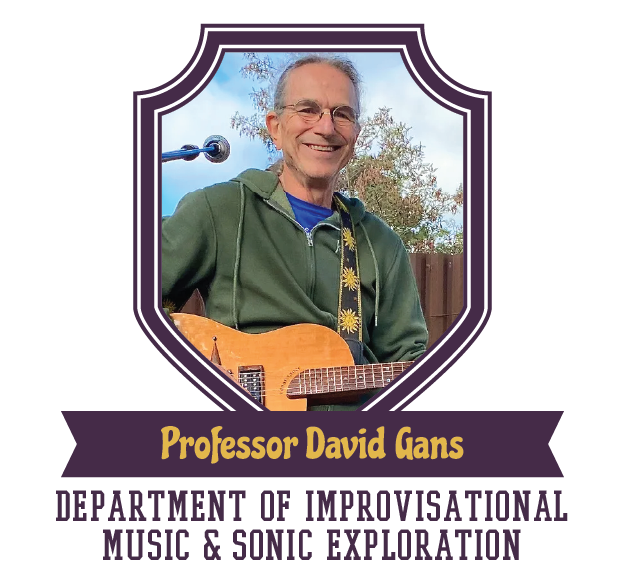
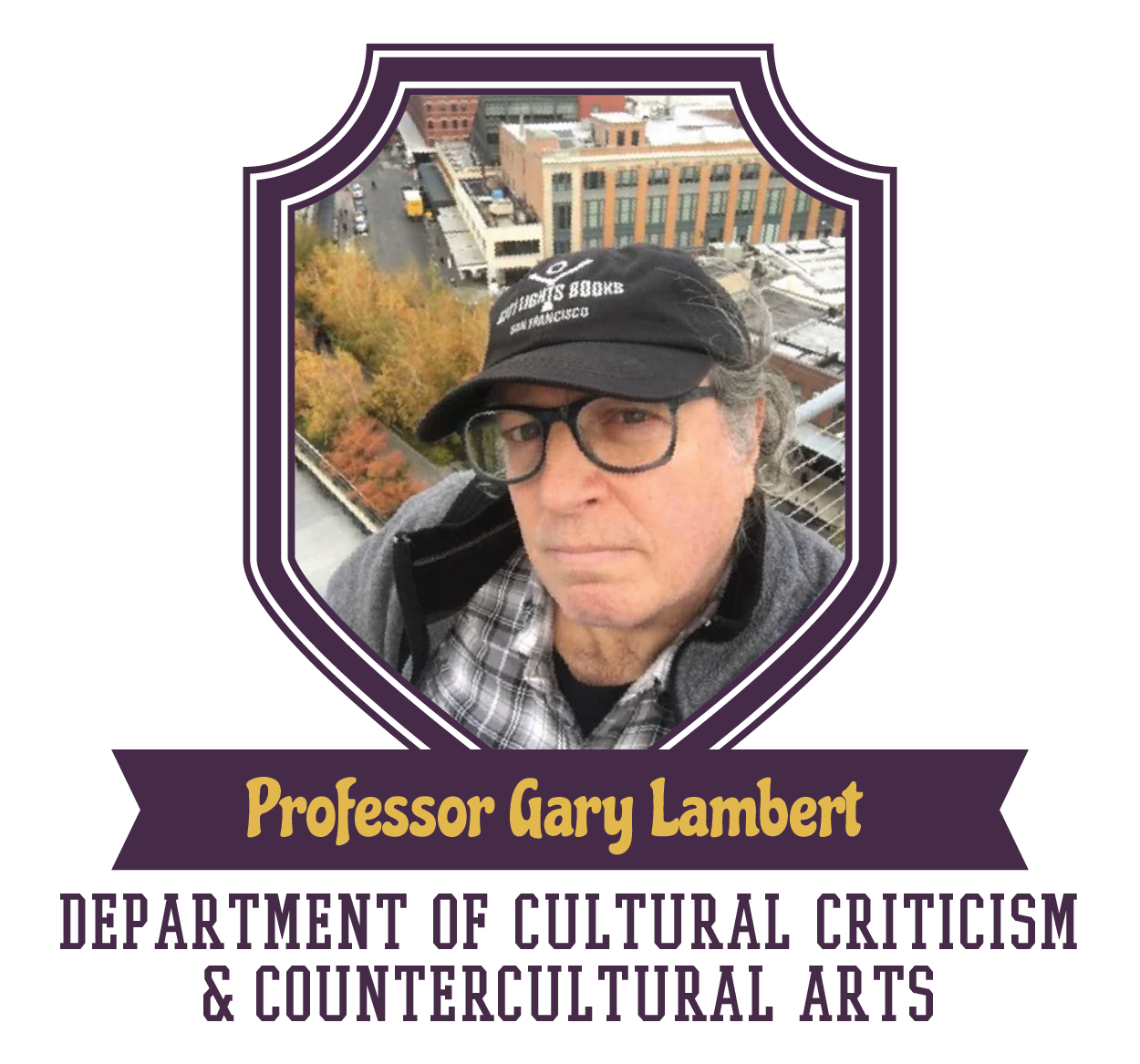
Gary Lambert has worked in music for most of what he laughingly calls his “adult life,” including multiple jobs with the late legendary impresario Bill Graham and a 15-year stint as founding writer/editor of the Grateful Dead’s official newsletter, The Grateful Dead Almanac Since 2008, he has co-hosted, with David Gans, Tales From The Golden Road, a weekly talk and listener-participation show on SiriusXM Radio’s Grateful Dead Channel. In 2021 the show took the conversation into the video streaming realm with Dead Air with Lambert & Gans, an interview segment that streamed on nugs.net during the set breaks at shows on Dead & Company’s summer and fall tours. As a musician Gary has played live and/or recorded with Phil Lesh, Bob Weir, Henry Kaiser, Richard Thompson and many other revered musicians, and had the extraordinary privilege of co-creating and co-hosting, with Phil Lesh, a radio show titled “Eyes of Chaos/Veil of Order” (originally “Rex Radio”), a showcase for composers and improvisers of adventurous new work from the outer fringes of musical experience, , which aired monthly on listener-supported KPFA-FM in Berkeley from 1987 to 1995.
Inside the Jam: Guided Listening & Musical Context
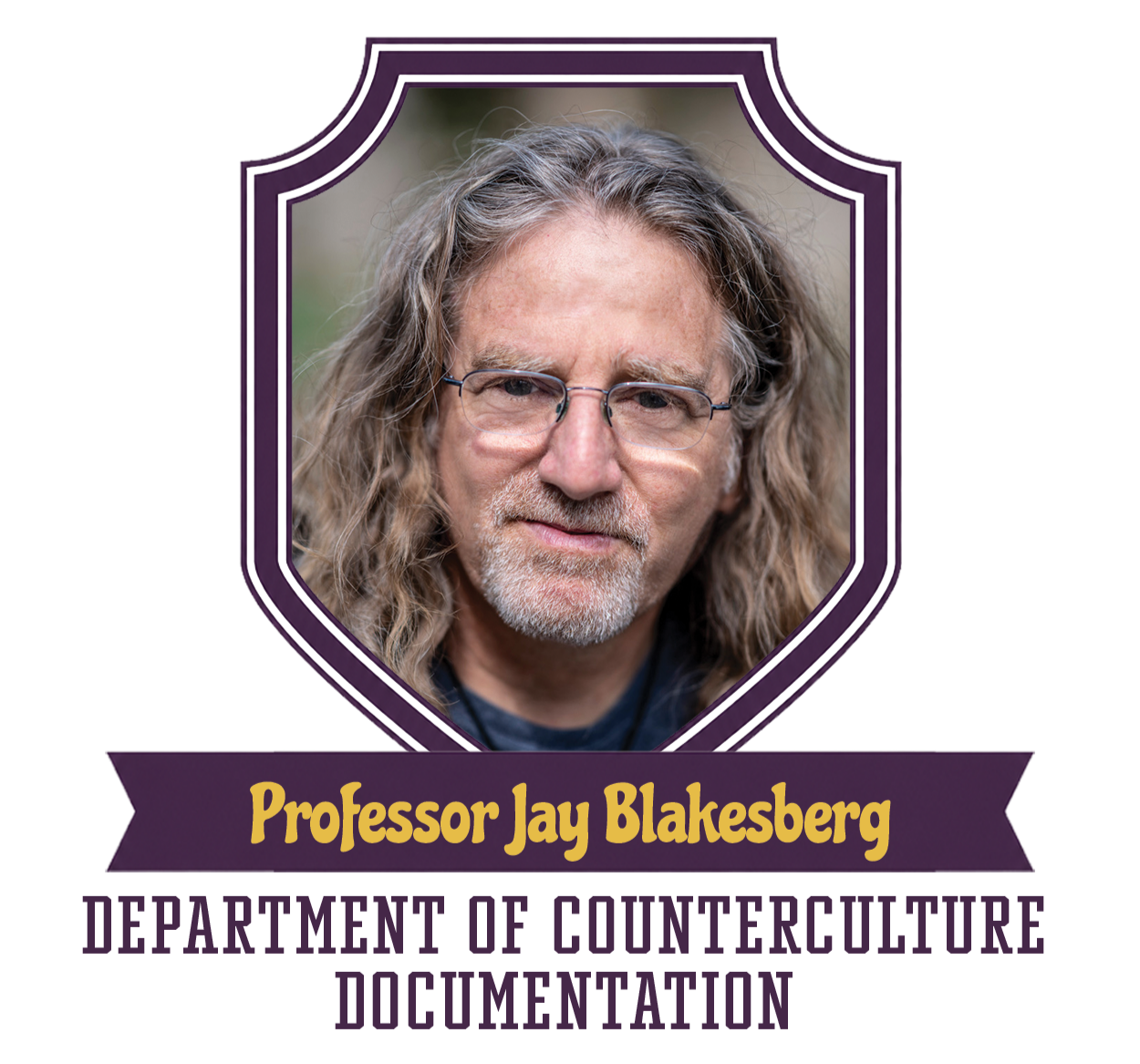
Professor Jay Blakesberg is a San Francisco-based photographer, filmmaker and public speaker whose iconic images have helped define the visual history of American rock and roll. A contributor to many magazines including Rolling Stone, Relix, Vanity Fair & MOJO, to name a few, Blakesberg has photographed hundreds of legendary musical artists over the past four decades, including the Grateful Dead, B.B. King, Phish, Joni Mitchell, Radiohead, Tom Petty, Red Hot Chili Peppers, Pearl Jam, Soundgarden, Nirvana, The Rolling Stones, Tom Waits, Neil Young, Carlos Santana, and so many more. His photographs have appeared in over 200 album and CD packages and have been published in magazines thousands of times worldwide. He is the author of seventeen acclaimed coffee table books chronicling the evolution of American music and culture through his lens.
Blakesberg’s work has been exhibited in leading museums and cultural institutions across the United States, including the Contemporary Jewish Museum (San Francisco), the Haight Street Art Center (San Francisco), the GRAMMY Museum® (Los Angeles, California), and the Morris Museum (Morristown, New Jersey). In 2024, the Grateful Dead photography exhibition he curated along with his daughter Ricki Blakesberg was the centerpiece of The Dead Forever Experience, an immersive installation presented by Dead & Company at The Venetian Resort Las Vegas during their historic Sphere residency.
The exhibition, which welcomed more than 65,000 visitors, featured dozens of Blakesberg’s images and offered a sweeping visual narrative of the Grateful Dead’s enduring legacy. In 2025 and 2026, his work was on view at David Kordansky Gallery (Los Angeles and new York City) as part of the exhibition An American Beauty: Grateful Dead 1965–1995, organized in conjunction with the release of a major new book (in 2025) of the same name. The exhibition marks a significant moment in the recognition of music photography as fine art, bringing Blakesberg’s work into dialogue with one of the most influential contemporary art spaces in the country.
Widely celebrated for both artistic impact and cultural significance, Blakesberg’s work captures the spirit, intimacy, and energy of the artists he photographs and the communities around them. His deep commitment to visual storytelling continues to shape how generations of fans see and remember the music that has defined their lives. www.blakesberg.com
Screening of the 2009 Grateful Dead Documentary
Presented as a special double-session screening, this course features a viewing of the acclaimed 2009 Grateful Dead documentary hosted by Professor Jay Blakesberg. Through the film, students will explore the history, music, cultural impact, and enduring legacy of the Grateful Dead, tracing the band’s evolution from its early days through its rise as one of the most influential live music communities in American history.
With decades spent documenting the Grateful Dead and the broader jamband world through his photography, Professor Blakesberg brings a unique perspective to the screening experience and the cultural landscape surrounding the film.
Designed as a shared viewing experience for both longtime fans and newcomers alike, this double-session course offers an opportunity to engage with the story, spirit, and continuing resonance of the Grateful Dead through one of the band’s most celebrated documentaries.
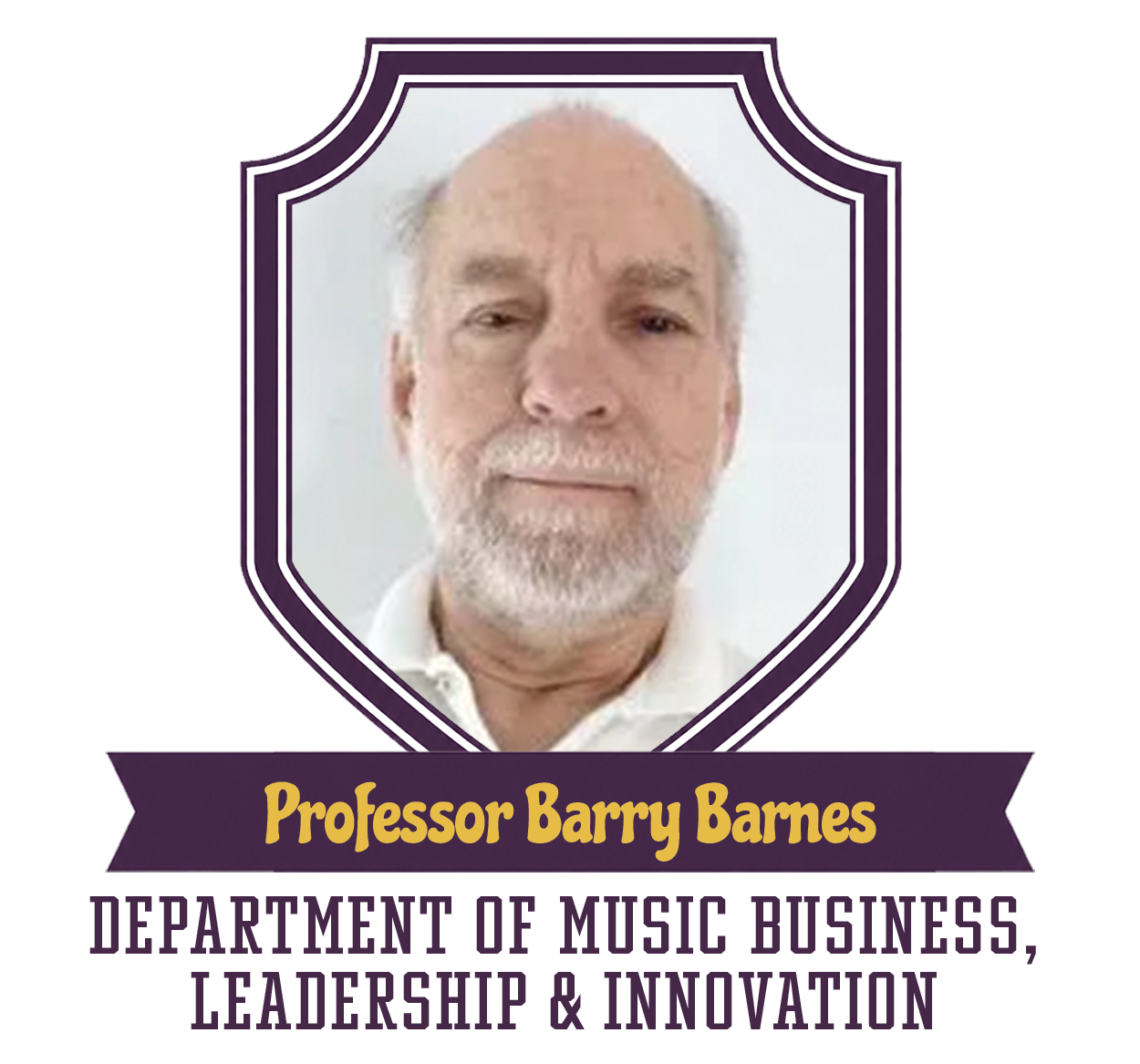
Professor Barry Barnes, Ph. D., is author of Everything I Know About Business I Learned from the Grateful Dead: The Ten Most Innovative Lessons from a Long Strange Trip. He also co-authored The Grateful Dead’s 100 Essential Songs: The Music Never Stops. Barry has spent more than 30 years studying, researching and writing about the Grateful Dead and their remarkable business efforts. This research has included numerous book chapters, case studies and research articles as well as making more than 100 presentations on the Dead. He draws on 20 years of business, management, and entrepreneurial experience in Corporate America where he worked for companies such as IBM and John Deere. He also owned a record store and was a DJ on a progressive FM station in the mid-1970s. It continues to be a Long Strange Trip.
Everything I Know About Business I Learned From the Grateful Dead(ZOOM SESSION).
In this live Zoom session, Professor Barry Barnes explores the unconventional business philosophy behind the Grateful Dead’s enduring success and cultural impact. Inspired by the ideas in his book Everything I Know About Business I Learned From the Grateful Dead, the course examines how the band built one of the most loyal and lasting communities in modern music history without relying on traditional industry rules.
Through discussions of authenticity, audience connection, adaptability, trust, and live experience, Barnes looks at how the Grateful Dead created a model that continues to influence artists, entrepreneurs, brands, and community builders decades later. Rather than treating fans as consumers, the band cultivated participation, belonging, and shared ownership, transforming concerts into immersive communal experiences and building a culture that sustained itself across generations.
Students are encouraged to arrive ready for discussion and conversation. Participants are expected to listen to the Jon Tanner Podcast prior to class, as it introduces many of the themes and ideas explored during the session. Part business case study, part cultural analysis, and part open conversation, this course offers a thoughtful look at the innovative spirit and community-first philosophy that helped make the Grateful Dead one of the most influential independent forces in American music and culture.
How the Grateful Dead Changed My Life: A 50-Year Personal Reflection(ZOOM SESSION).
Presented live via Zoom, Professor Barry Barnes reflects on more than fifty years shaped by the music, culture, friendships, and experiences surrounding the Grateful Dead. Part memoir, part conversation, and part cultural reflection, this course explores the many ways a lifelong connection to the Dead evolved far beyond music into a philosophy of community, curiosity, adventure, and personal transformation.
Rather than a traditional lecture, the session unfolds as an open and reflective conversation among fellow travelers. Barnes shares stories gathered across decades of concerts, road trips, friendships, discoveries, and moments of unexpected connection, offering insight into how the Grateful Dead experience became a lens through which to navigate life itself.
Along the way, the course examines the enduring emotional and cultural resonance of the Deadhead community, exploring why the music continues to inspire such deep loyalty and meaning across generations. Warm, conversational, and deeply personal, this session invites students to reflect not only on the Grateful Dead’s legacy, but also on the ways music and community can shape identity, memory, and the course of a lifetime.
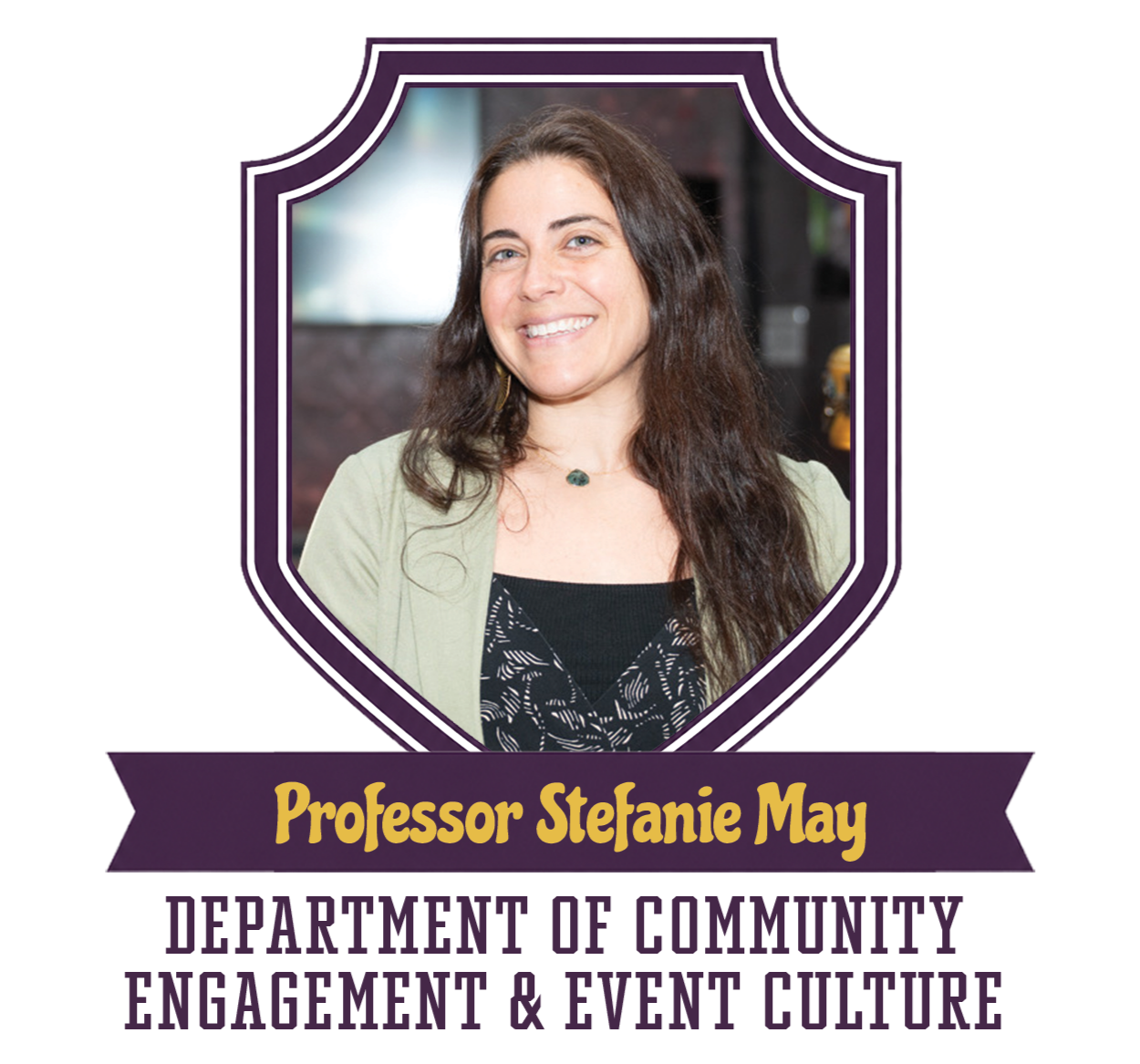
Professor Stefanie May has been part of The Capitol Theatre family since 2013, helping shape the venue’s brand, digital presence, and community engagement efforts. Over the years, she has played an integral role in growing The Cap’s audience, strengthening its connection to fans, and helping tell the story of one of the most beloved live music venues in the country. Early in her career, she helped manage social media for the historic Fare Thee Well concerts in 2015, celebrating the 50th anniversary of the Grateful Dead and reaching millions of fans around the world.
Today, she continues her work with The Capitol Theatre and Dayglo Presents, focused on building community, developing cross-platform marketing strategies that drive ticket sales, supporting artists, and creating unforgettable fan experiences. Throughout her career, Stefanie has developed and led marketing, social media, audience development, and community engagement initiatives for venues, festivals, and live events. She managed marketing and social media for LOCKN’ Festival from 2016–2022 and has spent more than a decade working in the live entertainment industry.
In 2021, alongside longtime Capitol Theatre fan and volunteer founder Renee Pfefer, Stefanie co-founded The Cap Cares Volunteer Rewards Program. Since its launch, #TheCapCares has mobilized more than 720 volunteers who have contributed over 1,660 hours of service across 52 events, benefiting 20 local nonprofit organizations. Through food drives, toy collections, fundraising campaigns, and volunteer opportunities, the program has become a powerful extension of The Capitol Theatre’s mission to bring people together through music and community service.
Stefanie is incredibly proud of The Cap’s Squirrel Squad street team and Cap Ambassadors, whose passion and dedication help spread the love of live music and strengthen the community that surrounds The Capitol Theatre.
Stefanie believes live music has the power to bring people together, strengthen communities, and inspire positive change. Throughout her career, she has viewed the music industry as an ecosystem where venues, artists, fans, local businesses, and nonprofits all play a role in creating something meaningful. Whether through community partnerships, volunteer initiatives, fundraising efforts, or fan engagement programs, Stefanie is passionate about being a good neighbor and ensuring that community remains at the heart of everything she does.
What Does It Take To Put On The Show.
This panel discussion offers an inside look at the planning, coordination, and execution required to create successful live music events. Drawing from real- world experience in festival and concert production, Professors Stefanie May, Bradley Tucker, Connor Falvey, Dean Budnick, and Benjy Eisen explore the elements that transform an idea into a fully realized audience experience. Students will examine topics including event planning, artist relations, production management, marketing, logistics, audience engagement, sponsorships, and on-site operations. Through discussion, participants will gain a deeper understanding of the collaborative efforts behind modern live entertainment.
Creating Community, Not Customers: Grassroots Marketing & Live Events
This course explores how festivals, artists, and organizations use grassroots marketing and community engagement to build meaningful and lasting audience connections. Focusing on the idea of creating community rather than simply attracting customers, students will examine how partnerships, street teams, audience participation, and shared experiences help shape the culture surrounding live events.
Through discussion and real-world examples, the course will explore the evolution of grassroots marketing within music and festival communities, as well as the ways authentic engagement can foster long-term connection, participation, and loyalty. Students will also consider how live events can move beyond traditional promotion to create experiences that encourage collaboration, involvement, and a stronger sense of community.
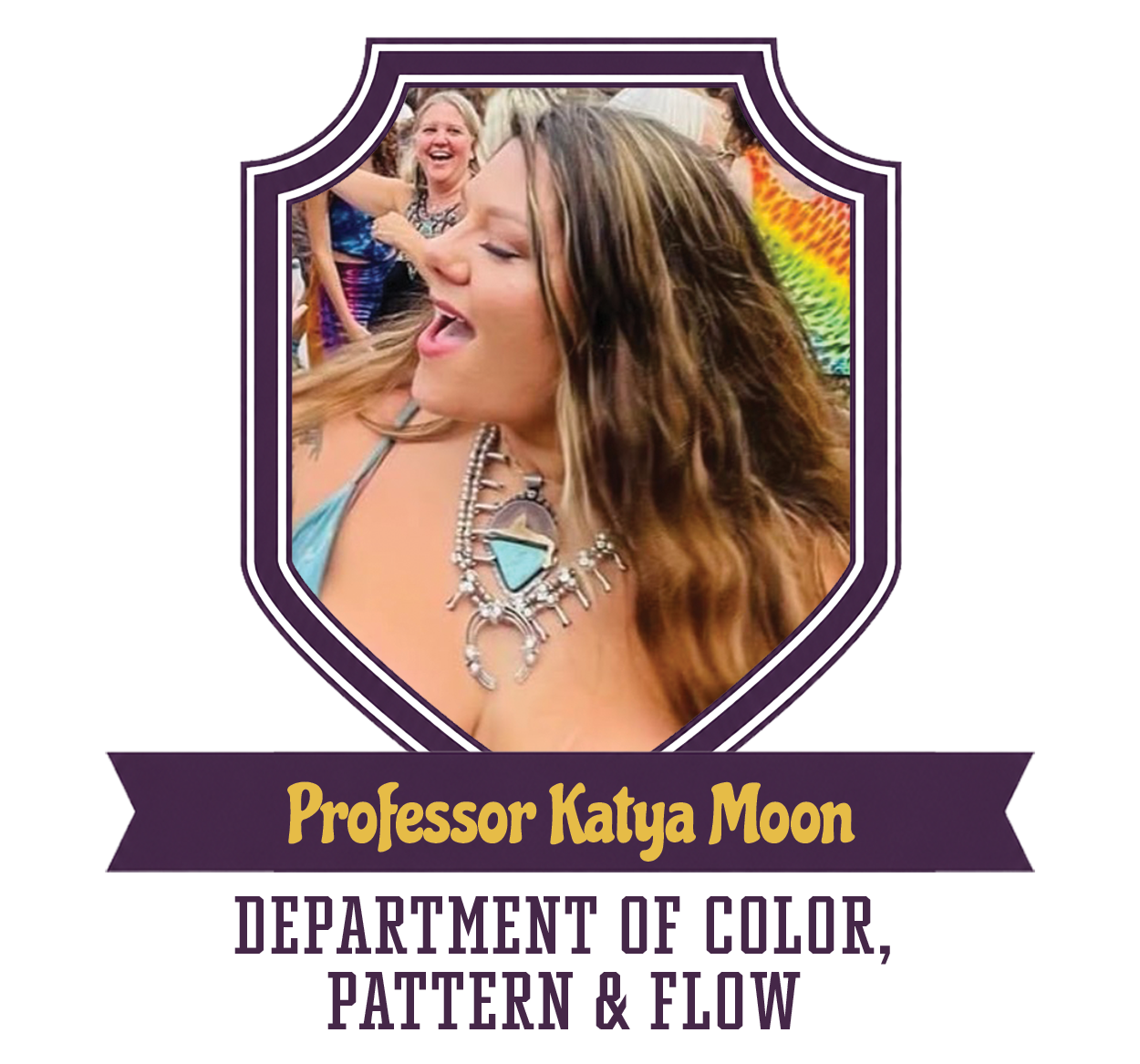
Professor Katya Mamadjanian is a tie dye artist who found her beginnings on shakedown street! After getting her undergrad degree in math at Bryn Mawr College, and a few years as a Trade Analyst for Vanguard – 10 years ago she quit to follow the music she loved and making tie dye inspired by the good ole Grateful Dead! Known for her intuitive approach to dyeing , flattering silhouettes, and her signature earthy-meets-cosmic palette, Katya creates garments designed not just to be worn, but felt. She has been healing the world with colors via Katya Moon Dyes for the past 10 years. She loves inspiring those around her to be creative and enjoys leading moon circles in her community & gardening in her free time.
Intuitive Tie-Dyeing: A Jam Session in Color
This tie dye class is an invitation to play, improvise, and create the way musicians do during a live jam session- but through tie dye art. Just color, rhythm, intuition, and flow. In this immersive workshop, you’ll learn the foundations of ice-dyeing while exploring a freer, more expressive approach to tie-dying inspired by improvisational music, nature, and the psychedelic art traditions surrounding the Grateful Dead community. We’ll work with the “geode style”, and use ice instead of water. Like a great jam- you’ll learn that the magic happens when you let go of the need to control the outcome and respond to the fabric moment by moment.Expect a meditative, joyful atmosphere filled with creativity, experimentation, and community. Hang it up and see what tomorrow brings : You’ll pick up your own one-of-a-kind dyed piece at the end of the weekend : and maybe a new way of thinking about creativity itself. No experience necessary.
**THIS IS A TWO SESSION CLASS. IT WILL COUNT FOR TWO CLASSES.

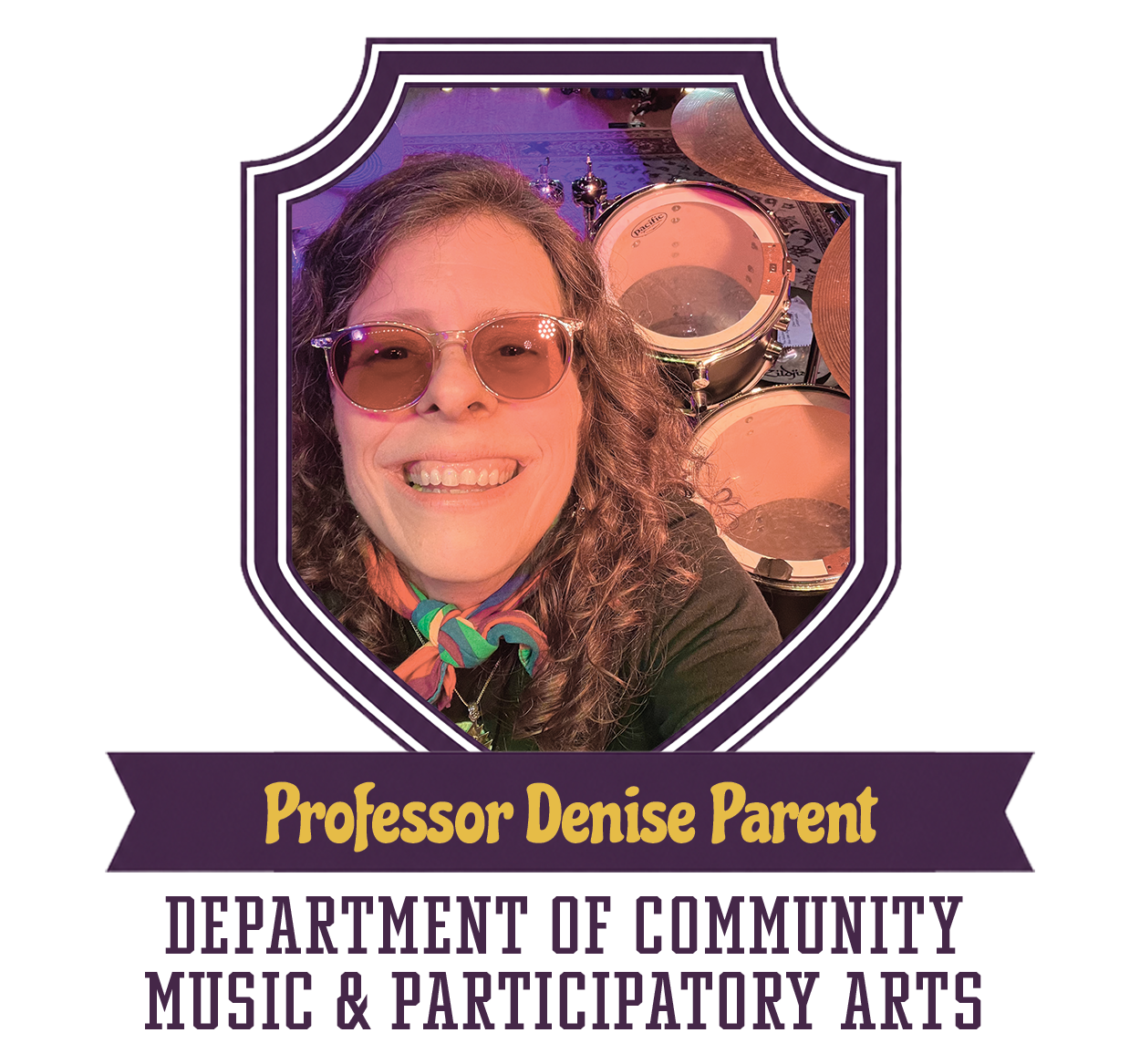
Professor Denise Parent is a musician, producer, MC, radio show host, and has been a member of the Grateful Dead Community for almost forty years. She plays drums and sings with Brown Eyed Women, The Deadbeats (NY), Misty Mountain Ramblers and John K’s Furthurmore. Denise plays guitar and sings her own songs and a mix of covers in her solo act, and in a few different duos and trios.
Tune into Wkze.com for her radio show, Covered in Dead, every Monday night at 7pm EST for a deep dive into songs the Dead covered, and covers of Dead songs.
Find out more about it all at deniseparent.com
Come with your portable instruments to record your cover of your favorite Dead song. Denise will make a live audio recording, so be ready to record in one take. Denise will air your song on her radio show, Covered in Dead, which airs every Monday night at 7pm EST on Wkze.com
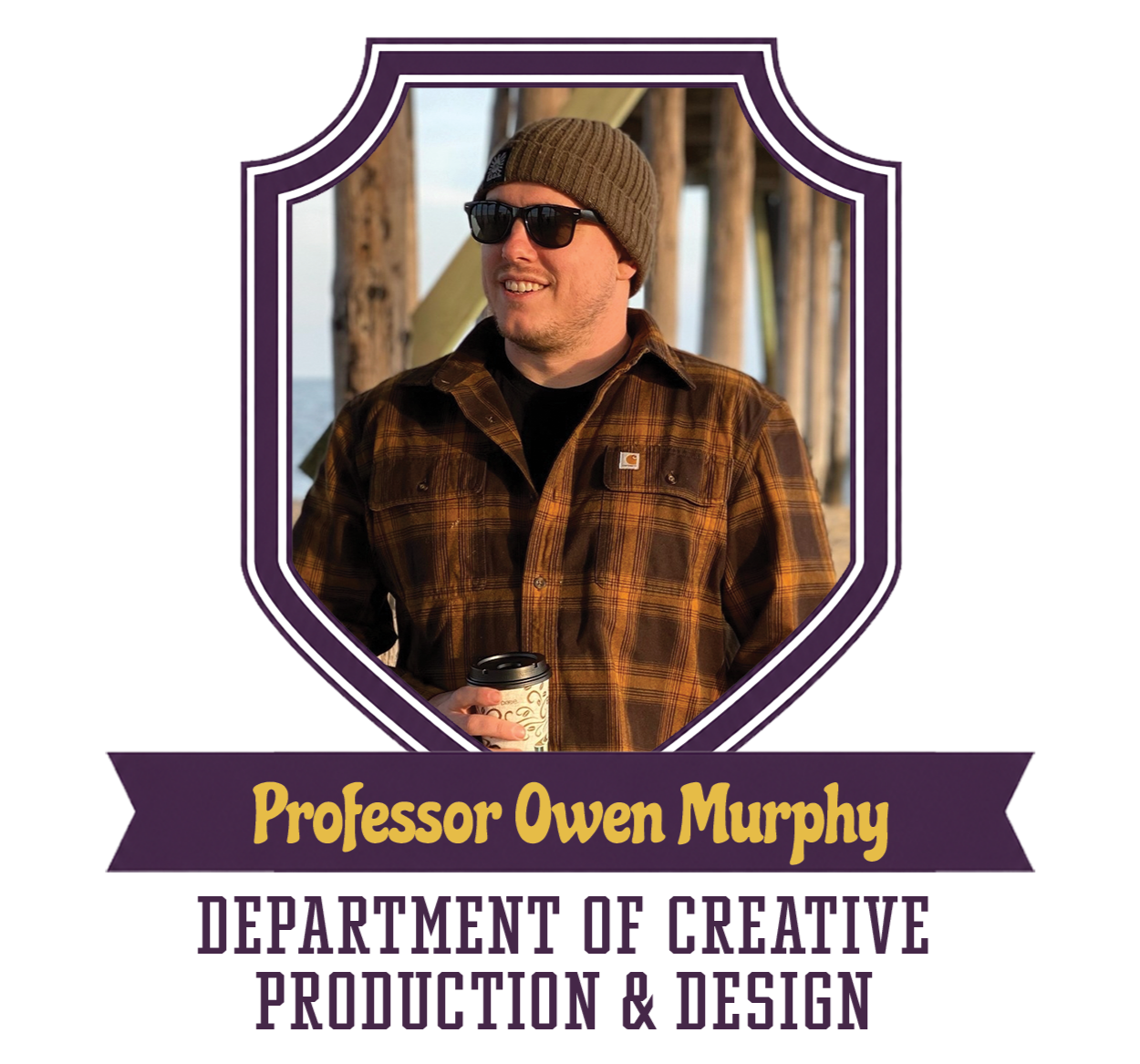
Professor Owen Murphy is an illustrator who has worked under the studio name One Drop Design Studio since 2014. He earned a BFA in graphic design from Salisbury University in Maryland. After graduation, Murphy worked in several print shops, learning the screen printing process. Shortly thereafter, he attended All Good 2010 where he cut his teeth on lot selling bootleg t-shirts he designed and printed himself. From there he knew this was the path moving forward. Since then he has worked directly with bands including Dead & Company, Billy Strings, Phish, Widespread Panic, Dave Matthews Band to name a few.
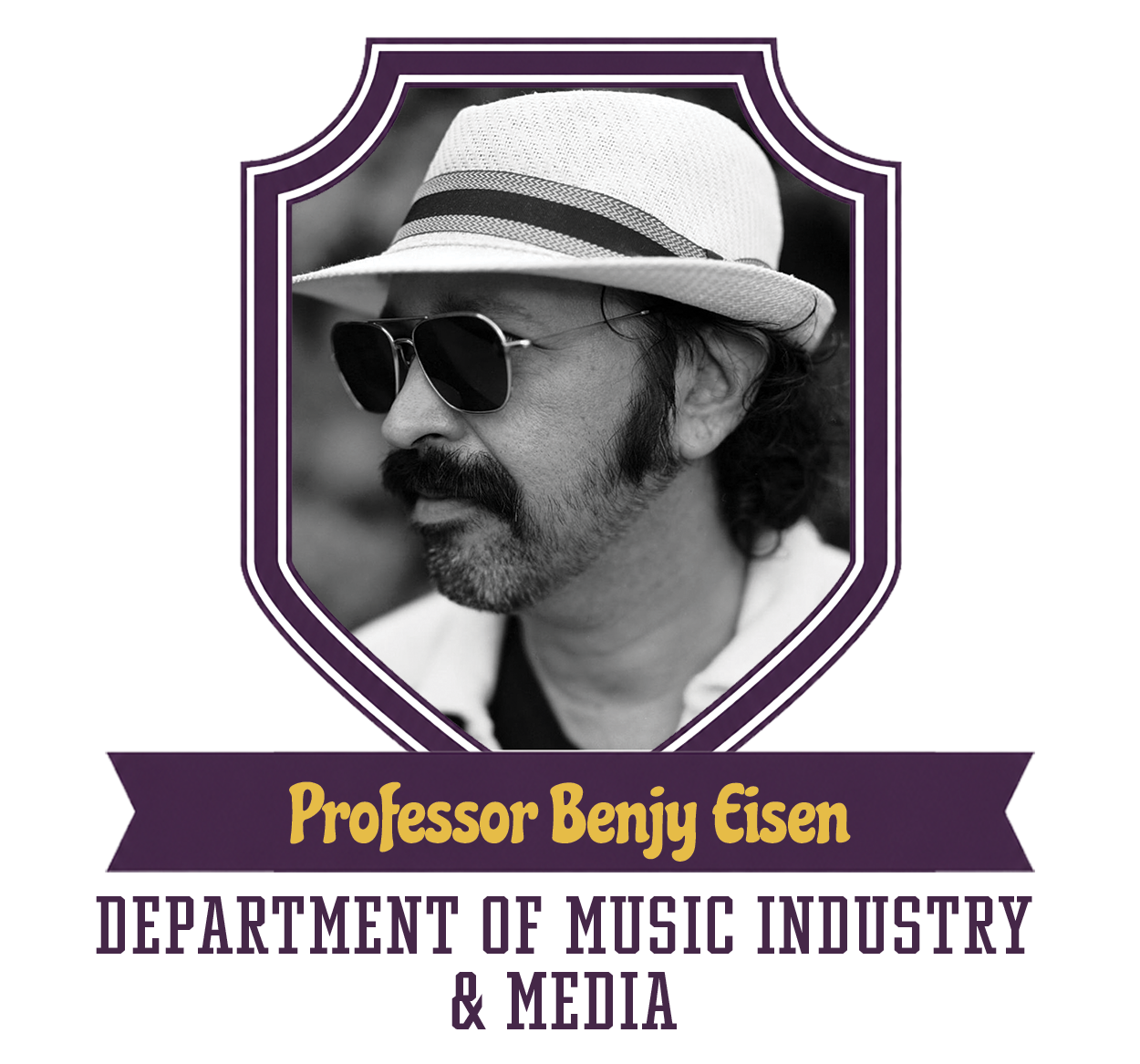
Professor Benjy Eisen is a New York Times Best Selling author, artist manager, and popular jamband pundit. He co-wrote Grateful Dead drummer Bill Kreutzmann’s memoir, Deal, and as Kreutzmann’s manager, worked on Fare Thee Well, formed Billy & The Kids, and created Grateful Mahalo, Mahalo Dead, and other Kreutzmann-led projects.
Mr. Eisen has written about the Grateful Dead, Phish, and other jambands professionally for thirty years, including bylines in Rolling Stone, Relix, Esquire and High Times, and his work has appeared in anthologies, documentaries, podcasts, “Good Morning America,” “Late Night with Conan O’Brien” and MTV.com.
He is a producer, cohost, and head writer for the leading Phish podcast, Undermine, (featuring lyricist Tom Marshall), and he manages Phish’s “other” lyricist, the Dude of Life. His management roster also includes Holly Bowling, Reed Mathis, and DJ Logic.
Preserving the Story: The Writers in Their Own Words
Panel Discussion: with Professors Benjy Eisen, Dean Budnick, and Special Guests
Every community has its storytellers, the individuals whose contributions help document and define its history. In this panel discussion, authors Benjy Eisen, Dean Budnick, and Special Guests guide students through the process of writing about the lives, moments, and journeys of some of the most influential figures in Grateful Dead history, as well as the broader live music community.
In this experimental writing workshop, students will become participants in a Grateful Dead jam, harnessing the band’s inspiration during an extended improvisation while learning techniques that Jack Kerouac referred to as “spontaneous prose,” along with Hunter S. Thompson’s “Gonzo” elements, and the professor’s own approach that he’s fine-tuned over a 30-year career in rock music journalism.
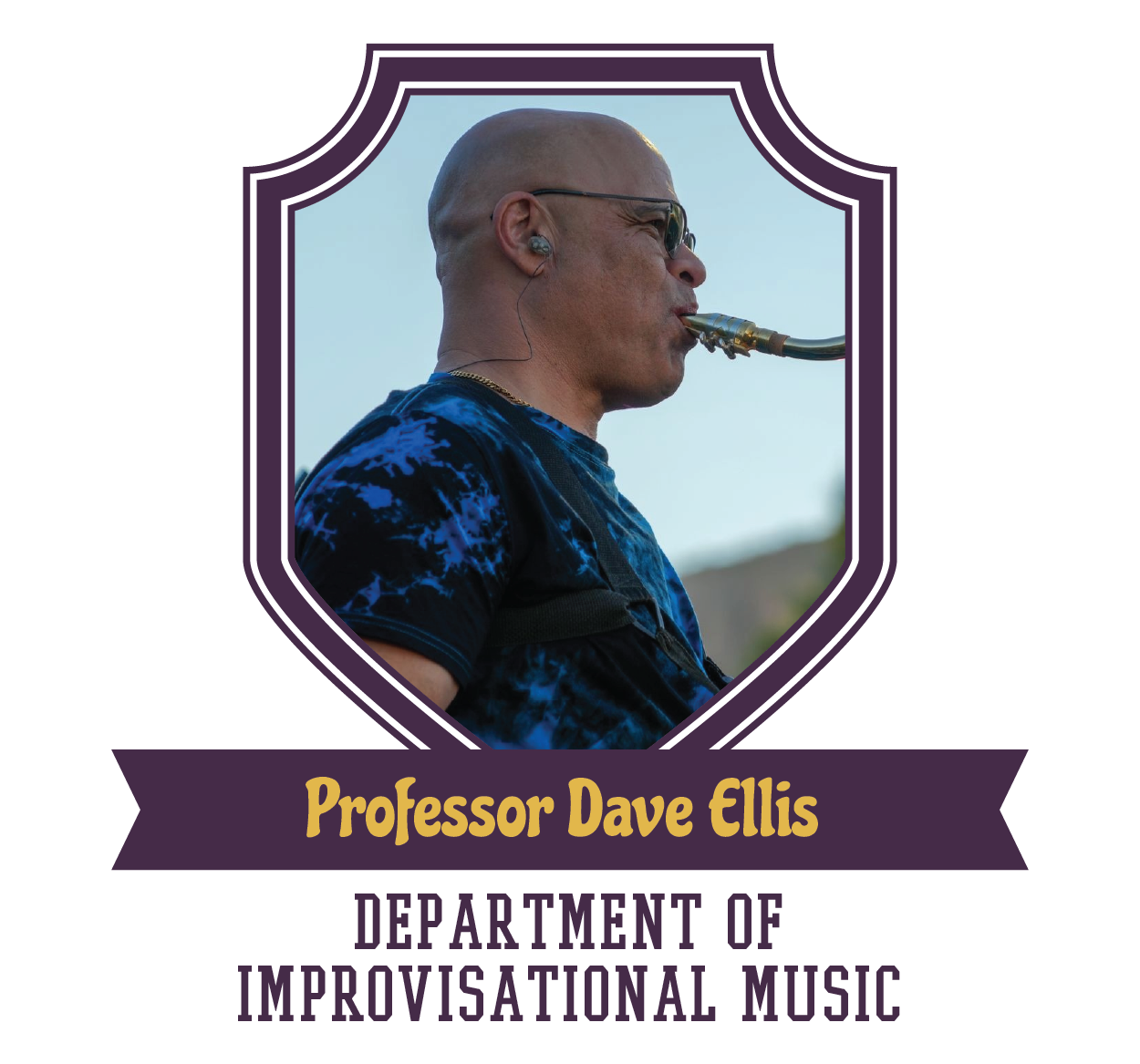
While many people recognize the Grateful Dead’s roots in blues, folk, bluegrass, and rock and roll, fewer realize how deeply the band was influenced by the modal jazz movement of the 1950s and 1960s, particularly artists such as Miles Davis and John Coltrane. In this lecture session, Professor Dave Ellis explores how modal jazz shaped the Grateful Dead’s improvisational approach through guided listening, musical analysis, and discussion. Students will examine how space, simplicity, and extended improvisation allowed the band to create fluid musical conversations and seamless transitions between songs.
In this hands-on workshop, students are encouraged to bring instruments, drums, or simply their listening ears as the class explores how musicians create movement, tension, texture, and storytelling using only one or two chords.Through live group improvisation, participants will experiment with the musical communication and deep listening that became central to the Grateful Dead’s improvisational style.

Professor Annabelle Walsh is a fashion historian, educator, and researcher based in New York City whose work explores the intersection of music and fashion.
She holds a B.B.A. in Strategic Design & Management and an M.A. in Fashion Studies from Parsons School of Design, where she now teaches fashion history, theory, and research methods, as well as approaches to studying the built environment. She has also taught at Vogue College of Fashion and at Pratt Institute, where she has also worked in continuing education and adult programming.
Annabelle’s research examines how music scenes give rise to distinctive fashion cultures, with a particular focus on the Grateful Dead and Deadhead material culture.
Her research has been presented at the Popular Culture Association conference, the Southwest/American Popular Culture Association conference, and published in Grateful Dead Studies. In 2022, she created the Deadhead Style Archive, a digital participatory project dedicated to documenting the long, strange history of Deadhead style.
While scholars have extensively studied the role of style in music scenes such as punk, hip-hop, and heavy metal, comparatively little attention has been given to the visual and material culture of the Deadhead community. Yet over the past six decades, Deadheads have cultivated one of the most expansive and enduring traditions of fan-made apparel and merchandise in popular music history.
This course examines the history of Deadhead style and the evolution of the vending scene, tracing how itinerant and informal practices of selling goods outside concerts gradually developed into a site-specific marketplace known as “the lot.” Along the way, we will explore how fan-made clothing, bootleg t-shirts, and other forms of material culture have shaped ongoing processes of identity construction, community formation, and self-expression within the Deadhead scene.
Through lecture and group discussions, this course considers how Deadhead identity is constructed, negotiated, and communicated through the dressed body. What does it mean to “look like a Deadhead”? How do clothing and accessories signal belonging, and how can garments serve as conduits for individual and collective memory (of a show, a tour, or an era in Grateful Dead history)? Students will leave the course with a greater understanding of the historical development of Deadhead style and an awareness of how clothing and material culture shape their own experiences and relationships within the Deadhead community.
Grateful Dead Iconography in Fashion & Commercial Culture
In 2015, the Grateful Dead celebrated their fiftieth anniversary with their “Fare Thee Well” concert series, an event framed as the final performance of the “core four,” yet one that paradoxically catalyzed a broader cultural resurgence of the Dead. While this was not the first time that the band had been accused of going “mainstream,” the years following GD50 represented a major turning point in the visibility of Grateful Dead imagery within fashion and commercial culture. Clothing brands such as Alice + Olivia, James Perse, and Loewe have released licensed Grateful Dead collections, while publications including GQ, Fashionista, and The Wall Street Journal reported on the fashion sensibilities of Deadheads.
This course examines the rise of the Grateful Dead as a recurring reference point within contemporary fashion, and considers what it means when symbols associated with a once-stigmatized subculture are absorbed into the mainstream. Through discussions of the origins of symbols and case studies of licensed collaborations, we will explore how the meanings of Grateful Dead imagery have shifted over time, and why this phenomenon has endured far beyond the typical lifespan of a fashion trend. At the same time, this course considers the tensions and ambivalences embedded within this mainstream embrace. Has the increased visibility of Grateful Dead imagery neutralized longstanding stereotypes surrounding Deadheads, or has it diluted the communicative potential these symbols once held within the community? What happens when a symbol once used to recognize fellow Deadheads becomes widely available at luxury retailers and fast fashion brands alike? And why have designers, brands, and consumers remained so drawn to the visual language of the Grateful Dead.
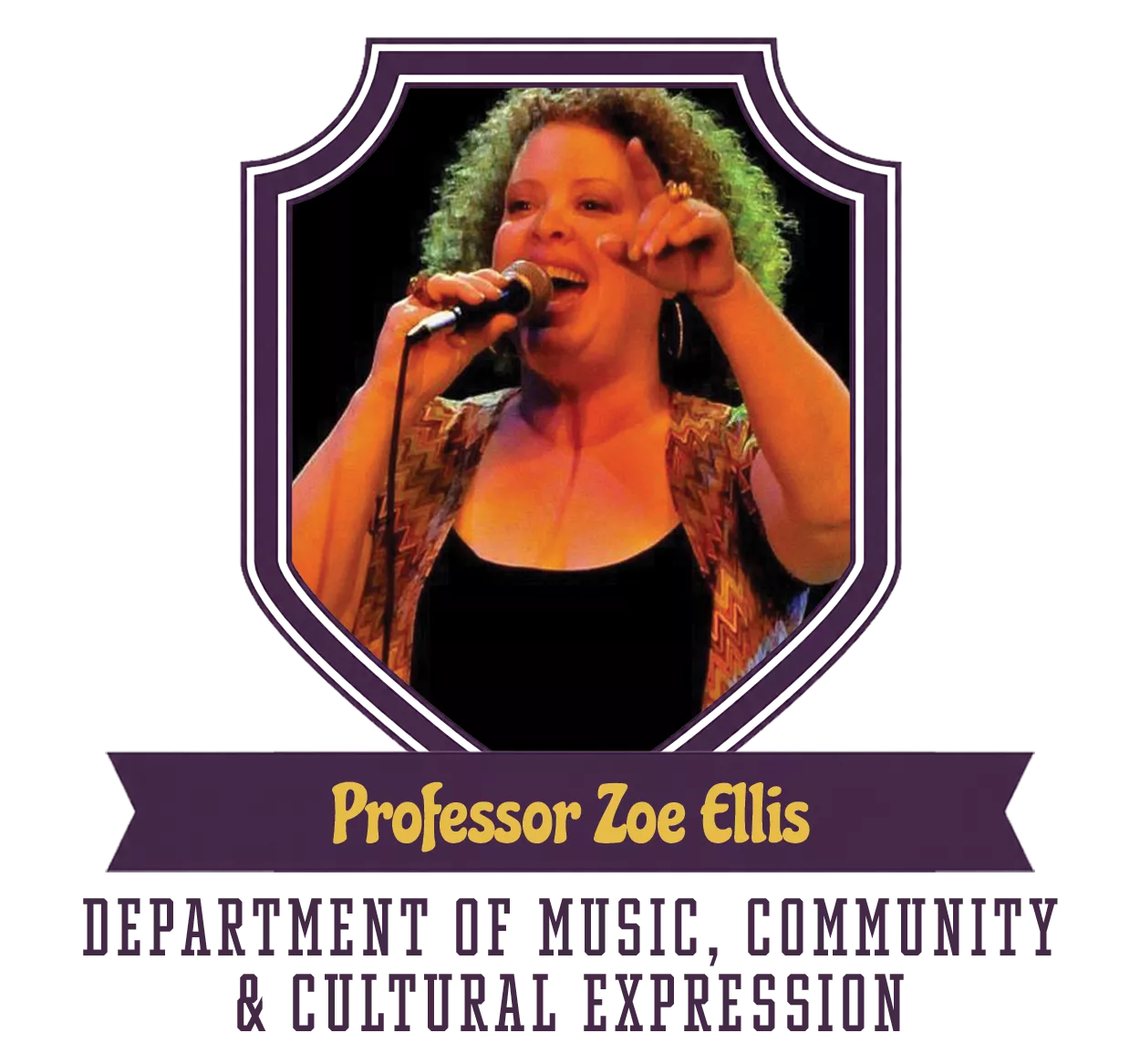
Department of Music, Community & Cultural Expression
Professor Zoe Ellis is a 30+ year international touring singer, songwriter, vocal arranger, studio session singer. She helps lead educational workshops, ages 5 through college and adult master classes. Emphasis on Soul, R&B, a Capella, choir/group singing and improvisation. Lead and backup singer with SoVoSo, Slammin All Body Band, Linda Tillery and the Cultural Heritage Choir, Further featuring Phil Lesh and Bob Weir, Zadell Music with Dave Ellis, Oakland Interfaith Gospel Choir, Glide Memorial Church Ensemble, Love Center Community Choir, Darryl Anders- AgapeSoul Ron Artis, Joseph Henry, Joan Baez and many others. She is currently the Director of Music at Glide Memorial Church in San Francisco.
Singing for Justice
Professor Zoe Ellis will discuss how music has always been a powerful force for social change. In this interactive class, participants will explore the history and impact of songs that have fueled movements for justice—from the Black Civil Rights Movement to contemporary struggles for equity and human rights around the world. Through discussion, listening, and collective singing, we’ll examine traditional freedom songs, protest music from diverse cultures, Songs of protest and political outcry from The Grateful Dead catalog. Also newer anthems are being sung in today’s movements. Together, we’ll learn the stories behind these songs and experience how music continues to inspire courage, community, and action…and even peace.
“Don’t Let Go”: The Jerry Garcia Band Vocal Harmony Deep Dive for ALL.
Led by Professor Sunshine Garcia Becker and Professor Zoe Ellis, this workshop explores the vocal harmonies that helped define the sound and spirit of the Jerry Garcia Band. Through guided listening, singing exercises, and participation, students will examine the vocal interplay that made the band’s performances memorable and emotionally resonant. Participants will learn harmony parts, explore ensemble techniques, and develop a stronger understanding of how voices work together to create depth and expression. The course emphasizes community, creativity, and musical connection while welcoming singers of varying experience levels and backgrounds. Students will gain practical skills and appreciation for collaborative vocal performance.
How Do I Enroll?
Once you have enrolled in The Next 300 you will receive an electronic course book. You will see all of the classes being offered and who is teaching them. We are so lucky to have an incredibly esteemed group of professors.
PLEASE NOTE: CLASS SIZES ARE LIMITED. SIGN UP EARLY TO GET THE COURSES YOU’D LIKE.
We will have a wait-list once a class has filled. This is college after all!